Death culture is the absolute absence of tolerance:
the banality of chanting death for the “high-contrast other,”
01 · Artist statement
The high-contrast other
In the artist's own words. The work sets out the story rather than taking a side.
High-contrast other
A role forced onto minorities in polarised societies, and especially under totalitarian
regimes, which survive by alienating them.
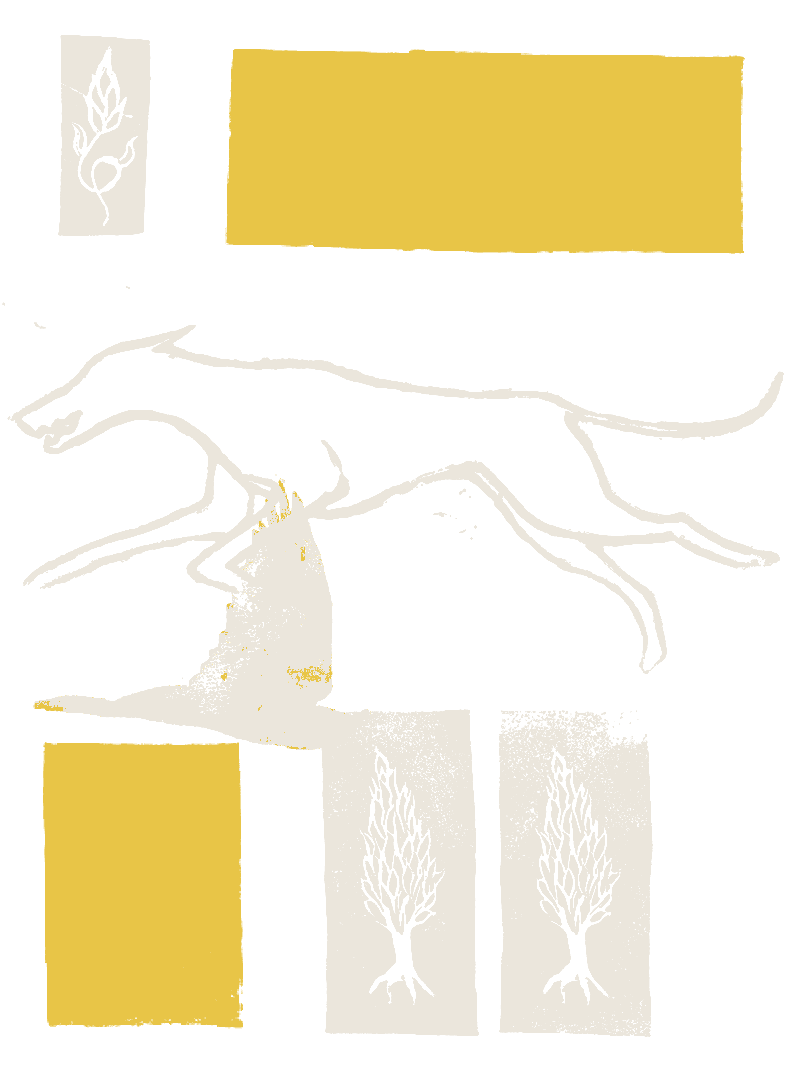
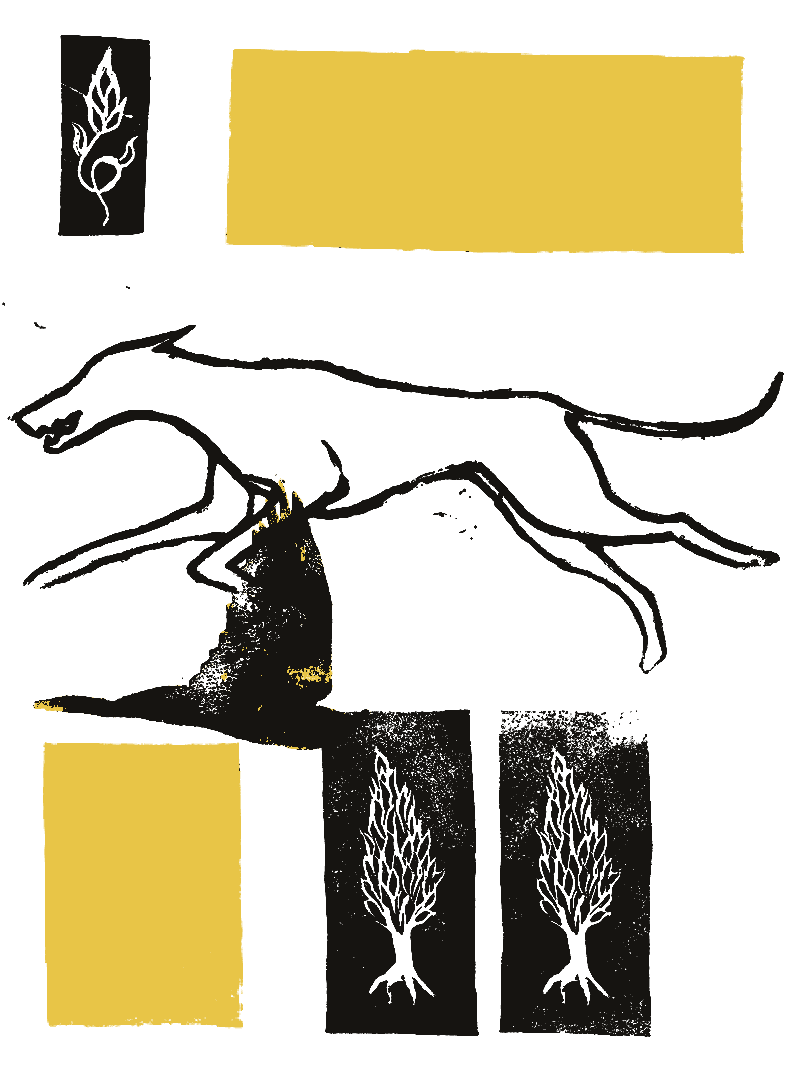
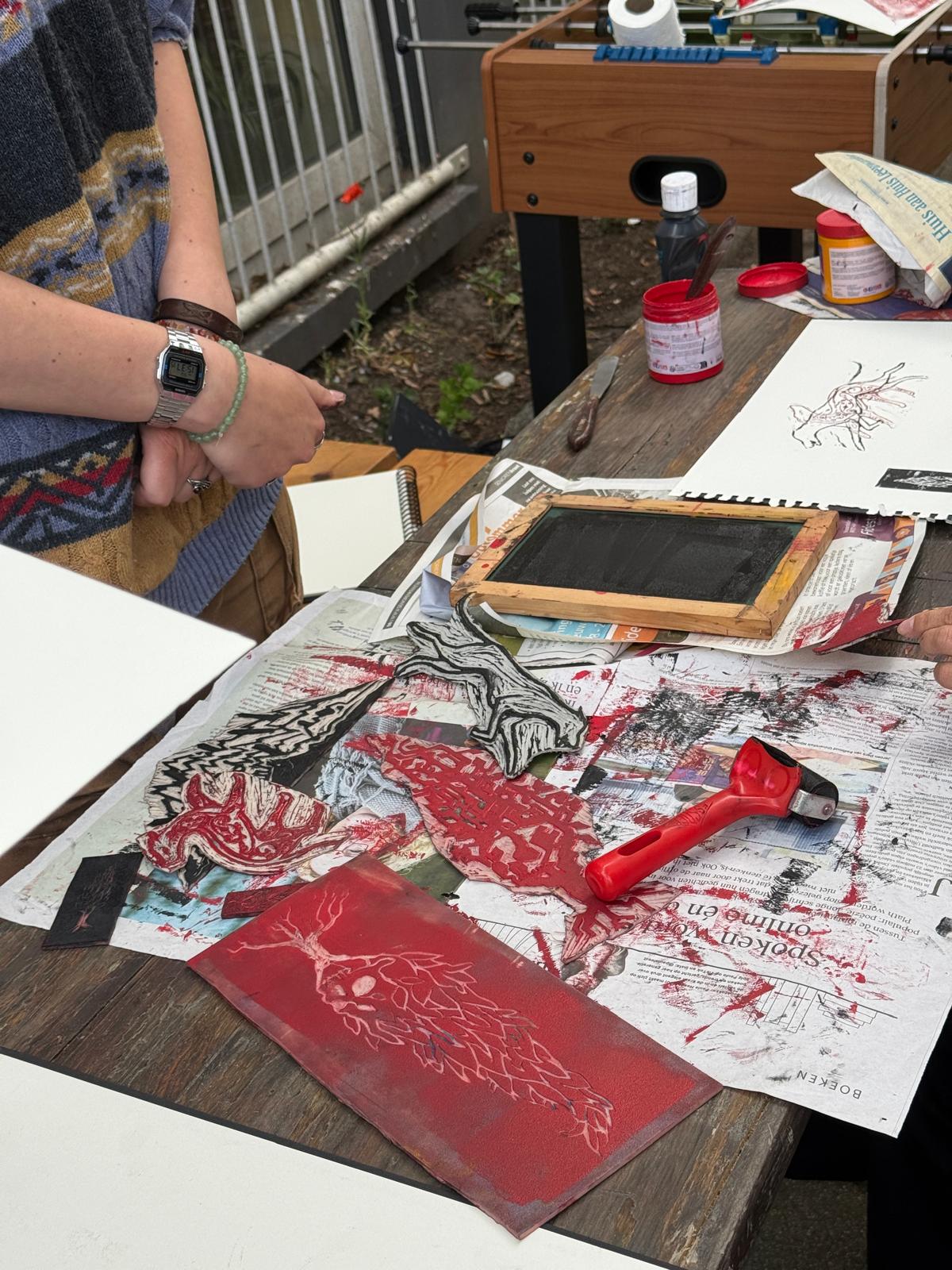
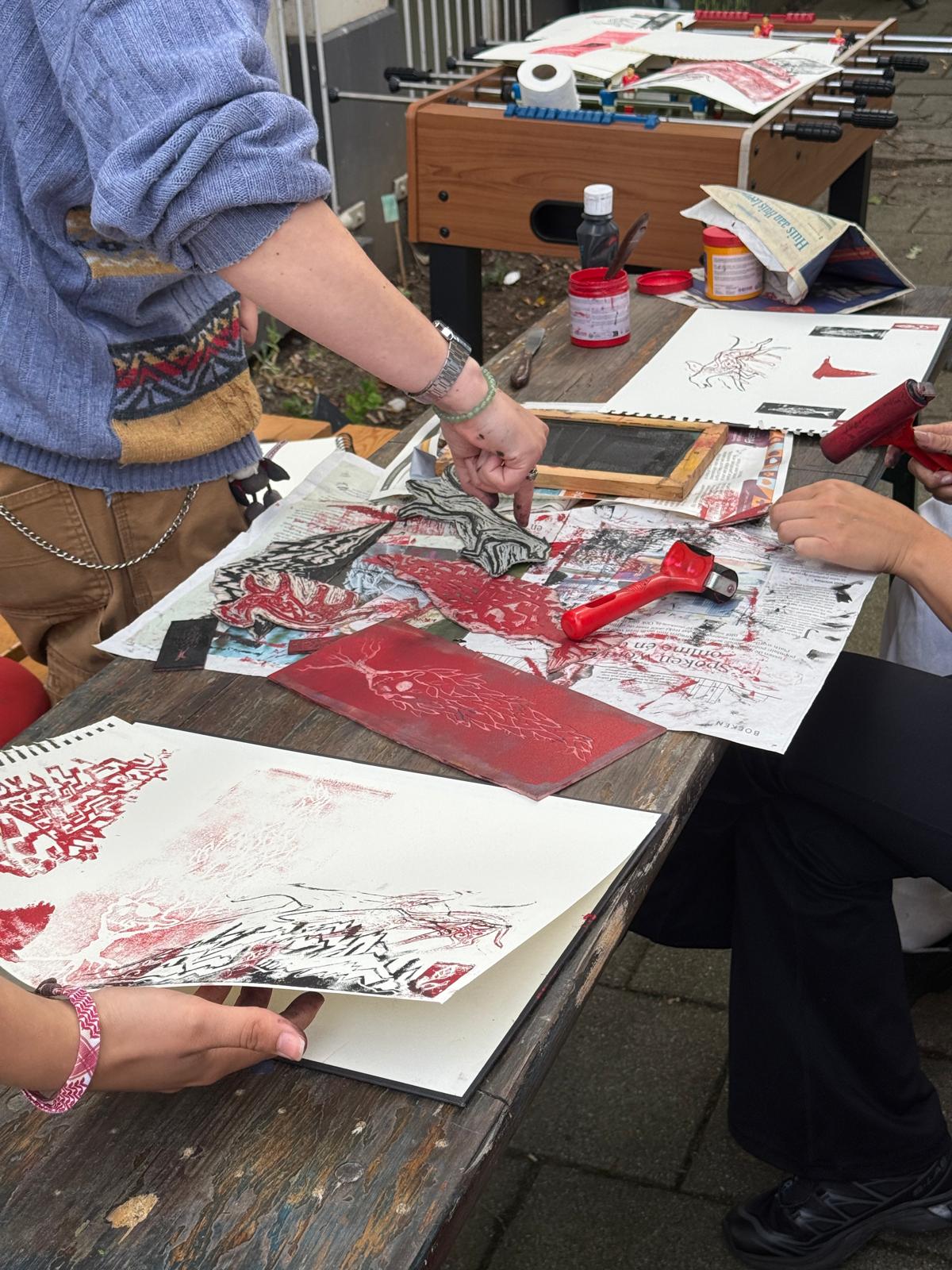
Body bags of cedars
After footage from Iran showing protesters lying in the street in black body bags. The
cedar, the mourning tree of Persian gardens and gravestones, carries that shape.
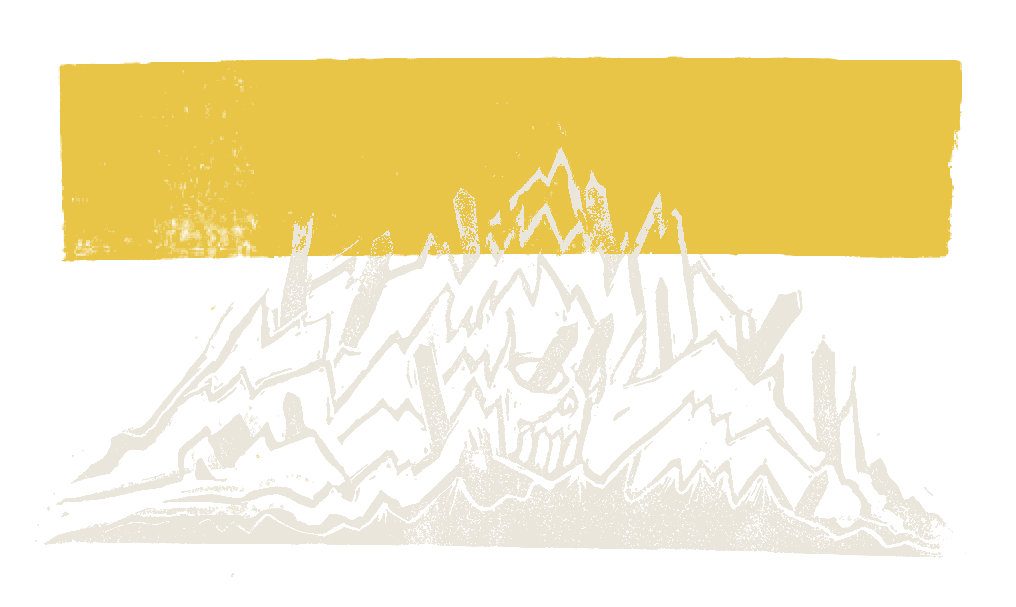
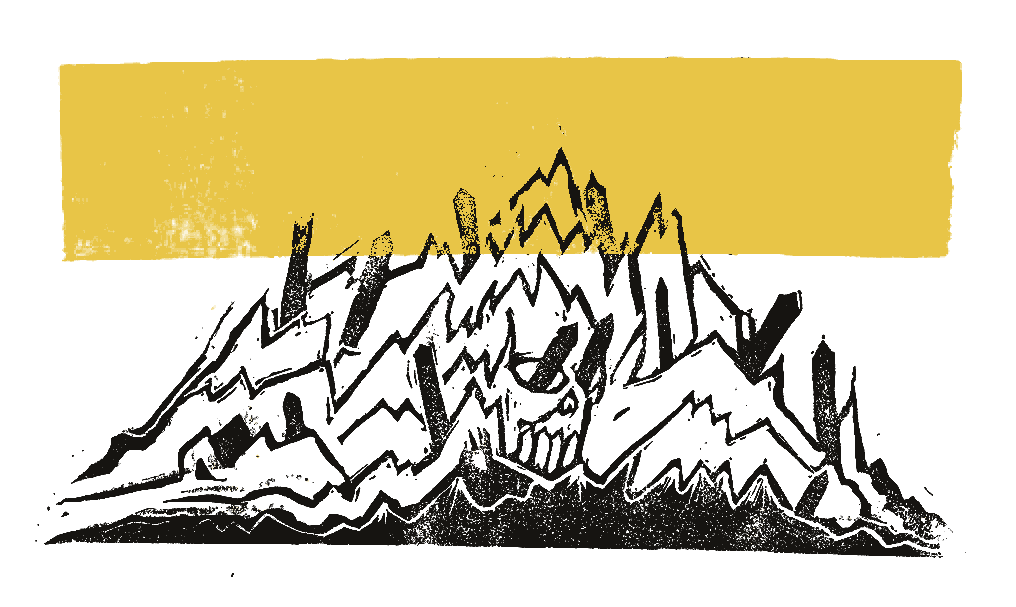
Beyond the fog of propaganda lie body bags of cedars, mountains filled with missiles, and birds
carrying instruments of war; everything here smells like death.
This project showcases death, and the justification of it, in the high-contrast societies
surrounded by the fog of propaganda, specifically in Iran. This project also
tries to engage participants and visitors not to teach a technique, but to make spaces for an
artistic, social-human interaction and conversation as a way out of totalitarianism.
Soby Farahat · Soboof · Leeuwarden
02 · The prints
Studio posters
Documentation from three collections. Select any sheet to see it full size.
Death Culture09 sheets · black & gold · A4
If we impose war, war will be imposed on us; if we implant death, we will harvest death.
Bodybags18 sheets · black, white & red · A3
Sky Bodybags16 sheets · red, blue & black · A4
03 · The kiosk
Printed in public
Everything made in the lab can be presented as a mobile printing kiosk. In this kiosk, the studio
invites visitors to use its stamps and make posters they can take home with them afterwards. The
stamps often raise questions, and the kiosk space is the perfect place to talk about concepts and
context.
Host the kiosk
Death Culture travels. If you programme a festival, gallery, art market or public event and want the press set up on site, with visitors doing the printing, get in touch. Sheets from both collections are also available as originals.